


What is financial intelligence? How can we strengthen it? Is it enough to be smart to possess financial intelligence? If you want to own financial intelligence like the wealthy, join us in this article. We aim to provide you with everything you need to achieve this intelligence. Did you know that many who enjoy a better financial situation than others might actually earn less income? When it comes to financial success, many think only of the amount of income or the job title, but in reality, there is another aspect that most overlook.
Financial Intelligence is what guides our financial decisions and keeps them on the right track. If a person can develop their financial intelligence, they will undoubtedly achieve brilliant success with their current level of income.
Defining spending, the ability to manage money, financial planning, investing, saving, and asset growth are all matters that depend on financial intelligence. In fact, it is not the amount of money that matters primarily, but the ability to manage it.
The importance of financial intelligence is evident when we see people whose income far exceeds our own, yet they cannot meet their needs each month. They wait for the next month’s deposit to spend it without management. Conversely, those who over-save and ignore even their basic needs are not financially intelligent. High financial intelligence belongs to those who can strike a balance between their income, debts, and expenses.
Fortunately, financial intelligence is a learned skill. While it may be innate for some, learning it is not difficult. In this educational financial article, we will continue providing you with the techniques necessary to strengthen it. By possessing financial intelligence, in addition to striving for a better future financial life, we will also enjoy greater psychological comfort, avoiding the anxiety and stress resulting from mismanagement.

What is Financial Intelligence? Simply Put
In short, financial intelligence is the ability to manage money and financial resources smartly to spend, save, invest, and grow assets. To define it accurately, it is a set of skills and abilities needed to manage financial resources effectively. This concept includes a sound understanding of income flows and expenses, making saving or investing decisions, managing debt, and analyzing financial risk. Simply put, financial intelligence means knowing where you spend every dollar you earn to achieve the best return for your future.
Here we must clarify an important distinction: financial intelligence is not the same as financial literacy. Financial literacy is more about knowledge and information, while financial intelligence is a practical and applied skill that enables you to learn how to use these skills in real life.
Exploring the Key Components of Financial Intelligence
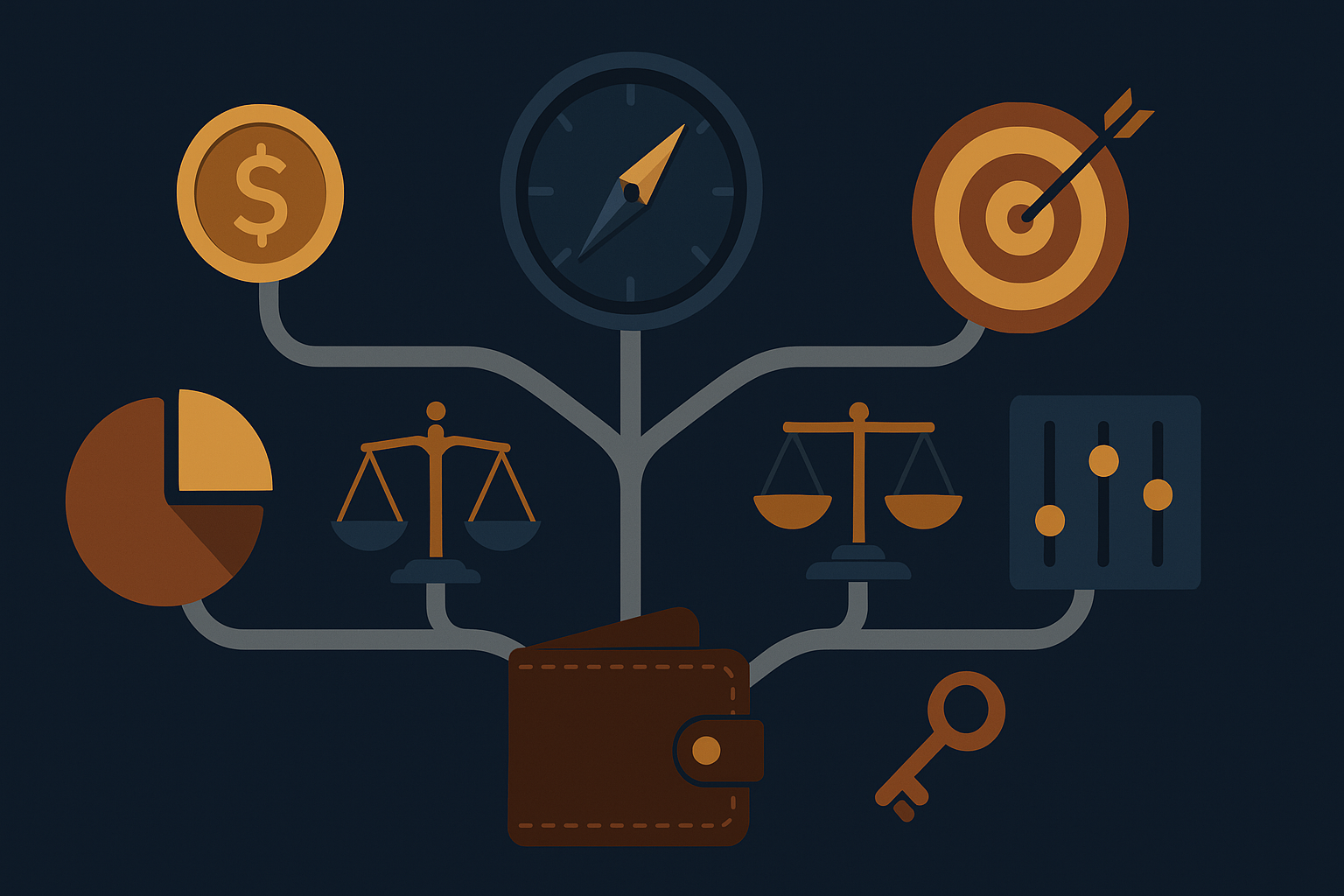
To better understand financial intelligence, it is important to understand its key components. These components are the skills and behaviors every person needs for a healthy financial life. While each component is important on its own, together they form an integrated structure that enables financial growth and independence.
1. Managing Income and Expenses via Budgeting Perhaps the first and most important element of financial intelligence is the ability to manage cash flow. Many, despite high incomes, face budget deficits at the end of the month due to lack of planning. Managing income and expenses means first keeping records and then managing them better than previous months by setting a budget for upcoming months.
2. Saving and Investment Commitment to saving and investing is vital. Saving is the foundation of financial security in the short and medium term, while investing is the foundation for the long term. Even when conditions aren’t ideal, you must include both in your budget.
-
Saving: For emergencies like illness, job loss, or unexpected events.
-
Investing: To hedge against inflation and achieve capital growth.
Experts often recommend the 50/30/20 budget rule, allocating 20% of your income to savings or investments.
3. Debt Management Debt is not always bad; we may use it for specific purposes like buying a home. However, poor debt management is where the problem lies. High financial intelligence involves distinguishing between good and bad debt, using credit cards wisely, and prioritizing high-interest debt repayment.
4. Financial Planning and Goal Setting Without a destination, no path is fruitful. Financial goals include:
-
Short-term: (e.g., buying a necessary item).
-
Medium-term: (e.g., saving for a trip or a car).
-
Long-term: (e.g., buying a home or retirement).
5. The Ability to Economize Properly True financial intelligence is not absolute stinginess. It is “responsible economizing”—knowing how to save money without compromising your quality of life or level of enjoyment.
6. Long-Term Thinking and Risk Analysis Emotional, short-term views lead to poor decisions (like panic-buying gold just because the price rose). Financial intelligence means looking beyond the present and analyzing risks to focus on stable, secure growth rather than quick, immediate profits.
Ways to Enhance Personal Financial Intelligence
While innate for some, financial intelligence is acquired and strengthened through practice. Here are five practical strategies:
Solution 1: Continuous Study and Learning Financial tools and opportunities change constantly. To stay ahead, you must update your knowledge through books, online courses, or podcasts. Recommended books include:
-
The Richest Man in Babylon
-
Rich Dad Poor Dad
-
The Psychology of Money
-
Fooled by Randomness
Solution 2: Practice Budgeting and Expense Tracking Ignorance of where money goes leads to debt. Use a notebook, Excel, or mobile apps to track every expense. After a month or two, spending patterns will emerge, showing you exactly where you can save.
Solution 3: Learn the Basics of Investment Saving alone isn’t enough because inflation erodes purchasing power. Learn about asset classes like stocks, bonds, real estate, and gold. Understand concepts like compound interest, risk/return trade-offs, and liquidity.
Solution 4: Establish Healthy Financial Habits Secret success lies in small, consistent habits rather than big decisions. Automate your savings (paying yourself first) and review your debts regularly. These habits eventually become subconscious, making wise decisions effortless.
Solution 5: Utilize Professional Advice and Experience Don’t walk the path alone. Learn from experienced friends or professional financial advisors. A quick conversation can save you years of trial and error.

See also
Common Mistakes on the Path to Financial Intelligence
-
Mistake 1: Believing High Income is Enough. High earners often go bankrupt because they lack management skills. Management is more important than the amount.
-
Mistake 2: Ignoring the Emergency Fund. You should aim to cover 3-6 months of expenses. Without this, a single crisis can lead to a debt spiral.
-
Mistake 3: Neglecting Financial Education. Leaving your future to chance by failing to learn about new financial tools.
-
Mistake 4: Emotional Investment Decisions. Investing based on fear, greed, or rumors rather than analysis.
Financial Intelligence for Children and Teenagers
To build a financially cultured society, education must start early.
-
Piggy Banks: Teach children the concept of saving a portion of their allowance.
-
Pocket Money Management: Give a set amount weekly/monthly to teach them how to budget.
-
Financial Games: Use games like “Monopoly” to teach buying, selling, and risk.
-
Shopping Involvement: Let them help with stationery or food shopping to understand that money is finite and requires choices.

Conclusion and Summary
Financial intelligence is a skill that can be developed. It involves realizing that management is more important than income, avoiding emotional decisions, and building a foundation through saving and investment. Whether you start early or late, simple changes like daily expense tracking can change your financial destiny.
FAQ
What is financial intelligence? It is the ability to manage money, invest wisely, and make sound decisions to improve your financial standing.
How can I enhance my financial intelligence? Track expenses, learn investment basics, increase your financial literacy, and create regular saving habits.
What are some study resources? Personal finance books, online management courses, and reputable educational podcasts.
Why is early education important? It forms good habits early and prepares children for an independent and responsible future.